
Things Preppers Should Buy Before Winter

As of writing this, fall is on its last leg, and winter will be here before we know it. If you’ve been prepping for a while, you know this is the best time to get the stuff you’re going to need before it gets really cold, people ransack shelves because of incoming winter storms, and the snow starts piling up.
Here’s my take on the top items preppers should buy now, before winter hits. This list isn’t in any particular order. You know your climate and what you already have. What works for me in East Texas isn’t going to be the same for someone in Maine, Montana, or up in the Midwest.
1. Generator
A generator is one of the most important items for preppers to buy before the winter months. You can opt for either gas or solar, but it’s important to understand the differences between the two.
- Gas Generators are well-suited for short-term power outages that last a few hours to a few days. My first generator was a dual-fuel midsize model, the Champion 3800. It ran on gasoline and propane, and worked well for running my refrigerator and box freezer. It ran all of my essentials for as long as I had fuel.
- Solar Generators are better for powering small devices inside your home and for longer power outages, where you may run out of fuel. I use a larger solar generator and then quick-charge it using an inverter generator. Click here to see current deals on EcoFlow Solar Generators (affiliate link).
Pro Tips: Be sure you know what your generator can power and don’t push it beyond its limits. Also, if powering sensitive electronics, use either a solar generator or a fuel-based inverter generator. Those produce “cleaner” power that is less likely to damage certain components.
If you cannot afford a generator, then stocking up on batteries and power banks can help you keep lights and communication gear running.
- AA, AAA, D-cells, etc: Before I got my first generator, I relied on a mix of regular alkaline batteries and rechargeable variants. I used the rechargeable batteries (affiliate link) daily and in the initial stages of a power outage, and then switched to disposable alkaline batteries if needed.
- USB Battery Banks: Use these to keep cell phones and other USB-powered devices, such as tactical flashlights, powered up.
- Power Tool Batteries: Use these with drills and saws to make repairs after storms, as well as other tools, such as lights, fans, and power sources.
2. Fuel
When stockpiling fuel, take special care to have fuel for every piece of equipment you will rely on during a winter power outage. These can include generators, vehicles, heaters, lamps, and other similar items. Go through your gear, make an inventory, and determine the types of fuel you will need. Here are some examples:
- Gasoline: Used in vehicles and generators. I recommend storing ethanol-free gas since it’s better for small engines and it lasts a little longer, too.
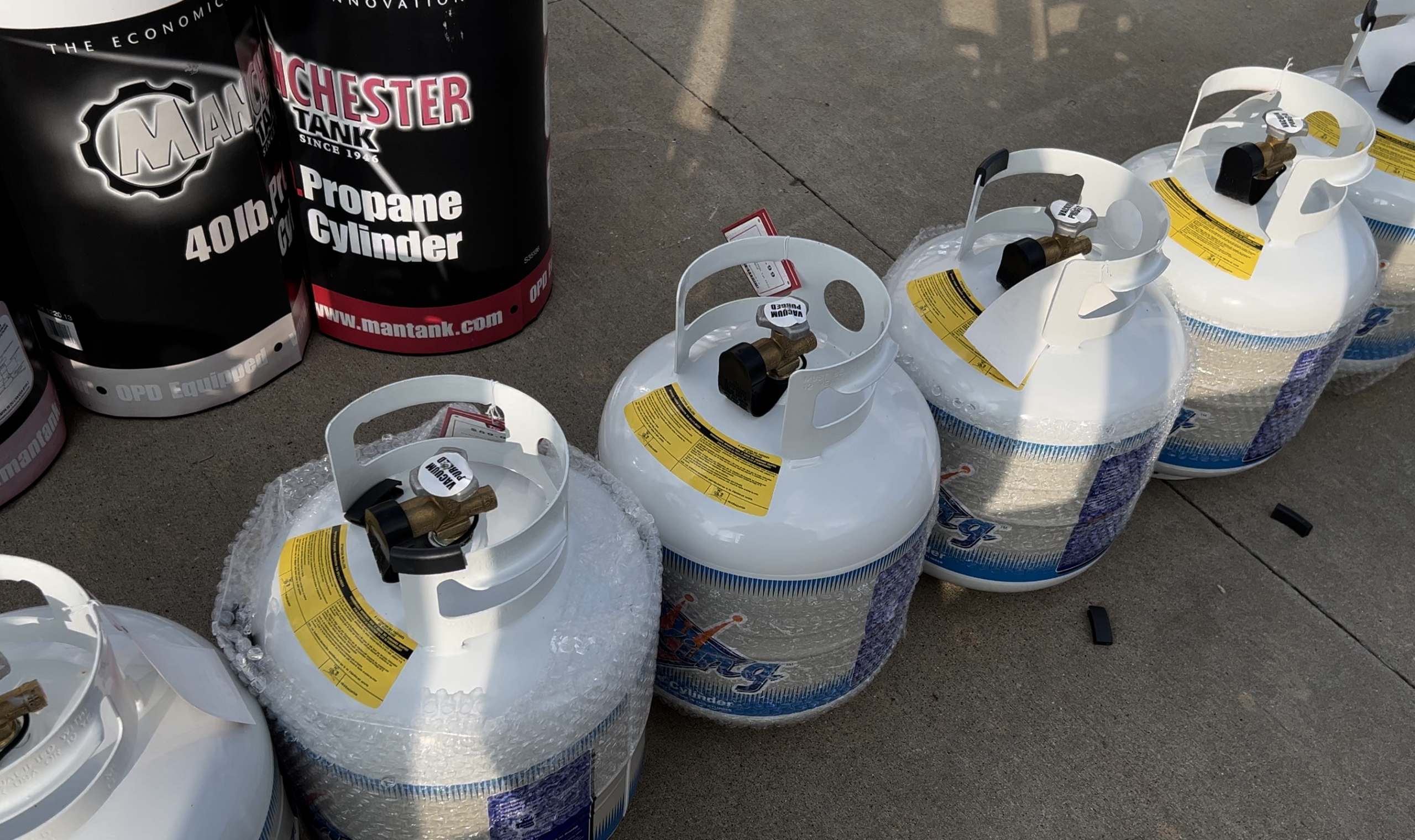
- Propane: My favorite backup fuel type. I use it in my generator, heater, and camp stoves. It has an indefinite shelf life, as long as its tank isn’t compromised. However, if you’re using one fuel type for multiple devices, take that into account when determining how much fuel you will need.
- Butane: Used in small countertop stoves. It’s a little safer to use indoors than propane, but it doesn’t vaporize at temperatures of 31 degrees Fahrenheit or lower.
- Firewood: Get plenty if you have a wood-burning fireplace or wood stove.
- Kerosene or Lamp Oil: Stockpile these if you plan on using oil lamps or hurricane lanterns. Kerosene and kerosene alternatives, such as Klean Heat, can also be used in some types of heaters.
Important Note: Exercise caution whenever you use fuel-based power, lighting, heating, or cooking equipment. Don’t use generators or certain cooking equipment inside your home, including attached garages. Then, for things like propane heaters and oil lamps, be sure to have adequate ventilation if using them indoors.
3. Fire Safety Equipment
Then, one very important thing that many preppers forget to buy is fire safety equipment. Housefires increase drastically during winter power outages. People are using fireplaces, heaters, and other equipment they don’t normally use, and as a result, they make mistakes. Having the following equipment will give you a better chance of dealing with accidents before they get out of hand.
- Fire Extinguishers: Get a larger one that is ABC rated. Having a large capacity will give you more fire suppressant to work with, and those that are ABC rated can put out a wider range of fires, including those caused by flammable materials, liquids, and electrical fires.
- Fire Blankets: These work very well for situations such as grease flare-ups in the kitchen. Throw the fire blanket (affiliate link) over it, and the blanket will smother the fire.
- Smoke Alarms: Have battery-powered backups, even if you have a smoke alarm integrated into your home’s security system. Also, have plenty of spare batteries and test them each month.
- Carbon Monoxide Detectors: These are essential if your home uses gas appliances and when using fuel-based equipment, such as heaters and oil lamps, indoors. As with smoke alarms, these should be battery-operated and tested regularly.
4. Off-Grid Heaters & Lanterns
Then, another thing that preppers should buy before winter is backup heating and lighting methods. Heaters will help you stay comfortable and protect you from dangerously low temperatures, while lighting will help with morale.
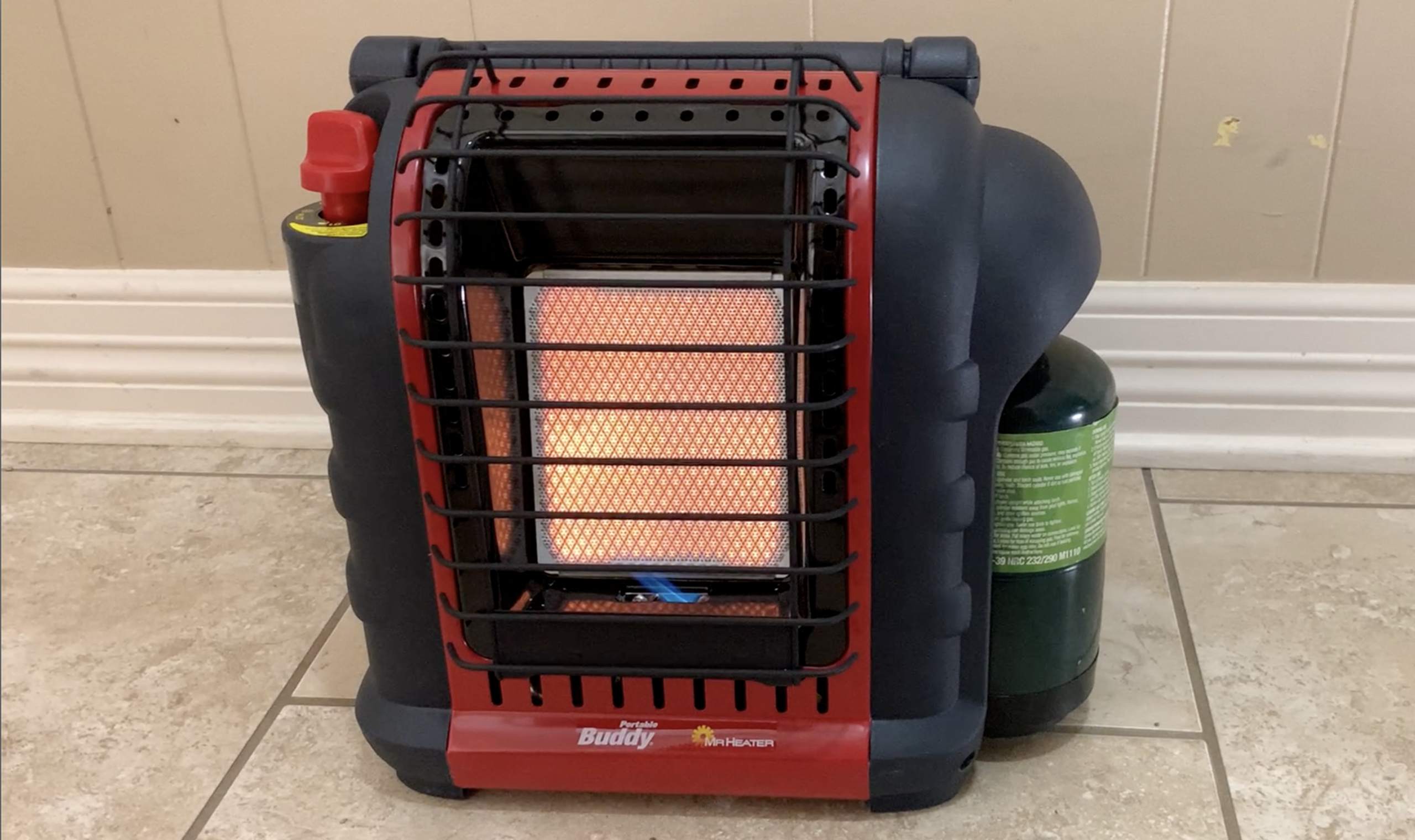
- Buddy Heaters: My favorite backup heating method. Buddy Heaters (affiliate link) can run on one-pound propane bottles or can connect to larger cylinders using an adapter hose. They’ll keep a small room nice and warm, and have built-in safety features such as low-oxygen and tip-over shutoffs.
- Oil Lamps and Hurricane Lanterns: I prefer hurricane lanterns since the flame is fully enclosed, and they have carrying handles. Store extra wick material in addition to fuel. If you plan on using a propane lantern, have plenty of extra mantles. Those are fragile and can tear easily.
- LED Lighting: Have flashlights, headlamps, and lanterns. These should be regarded as your primary lighting methods since they’re safe and produce more light than most fuel-based options.
5. Winter Tools
Another thing preppers should buy before winter is tools. These will help you keep the area around your home safe, while also preventing or reducing damage to your home.
- Snow Shovel & Ice Chipper: Essential for cleaning sidewalks and driveways. A snow shovel will remove anything that isn’t frozen solid, and an ice chipper will break up anything that is.
- Battery-Operated Heat Gun: A much better option than dragging a hair dryer and extension cord outside to thaw frozen pipes. However, be careful. These get hot and can melt vinyl siding, scorch wood, or cause a fire. It’s much better to protect pipes ahead of time by using faucet covers, Freeze Misers, or shutting off water and draining them. Also, keep the heat on inside your home and open cabinets to help warm air reach your pipes. Dripping pipes is a good option as well
- Warning: Never use a propane torch directly on pipes. Heat guns are safer, but use caution and common sense. Also, keep in mind that thawing a frozen pipe can expose existing leaks.
- Water Shutoff Tool: Use this to shut off the water to your home if you experience a burst pipe. Doing so will reduce water damage to your home.
- Other Basic Tools: Common hand tools and cordless power tools can be used to make repairs that result from burst pipes or fallen tree limbs. Have a well-stocked tool kit that can deal with a wide range of situations.
- Recommended: How to Build a Complete Prepper Tool Kit
6. Food
You want to have plenty of food set aside in case you get snowed in and can’t go to the grocery store. Here are some options:
- Canned Goods: Some of the best foods to stockpile. They’re cheap, have a good shelf life, and are easy to prepare. Be sure to include a variety of vegetables, fruits, meats, and canned meals, such as soup, chili, and pasta.
- Dry Goods: Inexpensive and easy to store long-term. However, they do require water and a significant amount of fuel to prepare.
- Meat for the Freezer: If you have a reliable backup power source, you may also want to stockpile meat and other freezer-friendly foods.
- Hunting Season: If you’re a hunter, get out there and start putting food on the table.
7. Cold & Flu Medicine, First Aid, and Prescriptions
Besides food and water, one of the most important things for preppers to buy before winter is medications and first aid supplies. Illnesses are common during the winter months, and if you get snowed in, getting medical help can be difficult.
- Pain Relievers and Fever Reducers: These include Tylenol (acetaminophen), Advil (ibuprofen), Bayer (aspirin), and Aleve (naproxen). Use what works best for you, but don’t overdo them.
- Note: Aspirin should not be given to people under 19 years old. Naproxen should not be given to children under 12 years old.
- Decongestants: Sudafed (pseudoephedrine) is effective for nasal and sinus congestion, while Mucinex (guifenesin) is more effective for chest congestion. Just be aware that many of these medications can have side effects, such as dizziness, and you should stop taking them if that occurs.
- Stomach Medications: Pepto Bismol (bismuth subsalicylate) for general symptoms and Immodium (loperamide hydrochloride) for diarrhea.
- Note: Pepto should not be given to children under 12 years old.
- First Aid Kit: Include bandages, antiseptics, and medicated ointments. For bandages, have a mix of Band-Aids, gauze rolls, and gauze pads to treat different-sized wounds.
- Prescription Medications: Get your refills as soon as possible. If you’re on the bubble and know a storm is coming, talk to your doctor to see if you can get your refill early.
8. Winter Clothing & Boots
Now is also a good time for preppers to pick up cold-weather clothing. Here are some examples of things to buy before winter:
- Outerwear: Replace any jackets, coats, or pullovers that are showing excessive signs of wear. Also, check your kids’ outerwear to make sure it still fits.
- Boots: Have at least one pair that is insulated and waterproof.
- Socks: Wool is best. Have multiple pairs for each family member.
- Thermal Underwear: Wool or synthetic fabric. Do not depend on cotton for outdoor use.
- Gloves and Hats: For gloves, have mittens and glove liners. Then, for hats, pick up wool beanies and balaclavas. Make sure they are thick enough for the weather in your area.
9. Vehicle Prep
Another area that some preppers overlook is winter vehicle maintenance. Take steps now to ensure that your car is safe to use and protected against cold temperatures.
- Winterization: Replace fluids such as wiper fluid with cold-weather versions.
- Tires: Replace any tires that are showing excessive signs of wear.
- Emergency Supplies: Keep basic survival essentials, such as food and water. Also include winter-specific items such as blankets, emergency candles, and extra clothing.
See how to put together a vehicle survival kit on my YouTube channel by clicking here.
10. Water Storage & Filtration
One of the most important things for preppers to buy before any season is water storage and filtration equipment. Having plenty of water and being able to purify more water as needed will ensure you and your loved ones have what you need for drinking, cooking, and cleaning.
- Bottled Water: The easiest way to store water.
- Portable Containers: Aquatainers are my favorite since they include a spigot. Military water cans and Water Bricks are also good options.
- Barrels: Food-grade barrels are an excellent way to store large quantities of water. Storing them inside will reduce the chances of them freezing. Be sure any containers stored outdoors have enough empty space to allow the water inside to expand when it freezes.
- Water BOB and AquaPod: Emergency bathtub bladders will allow you to store an additional 50 or so gallons of water in your bathtub. They are food-safe and protect the water from contaminants in the tub and insects.
- Water Filters: Sawyer filters and Grayl purifier bottles are my favorite options for portable water filtration.
See my recommended water storage and filtration preps by clicking here.
11. Indoor Cooking Methods
If you don’t have a way to cook indoors without power, fix that now. Blizzards and other winter weather events can make cooking outside uncomfortable or even dangerous. However, there are several ways to cook without ever having to leave the house.
- Butane stoves: These are slightly safer to use indoors than propane stoves since butane burns cleaner. In fact, butane stoves are commonly used overseas in some countries as a primary cooking method. However, as with any fuel-based gear, be sure you have adequate ventilation and exercise good fire safety while using these.
- Alcohol burners: You won’t be able to cook large meals with these, but you should be able to boil water and heat canned foods.
- Candle Lanterns: These won’t get hot enough to boil water, but they’ll do a good job warming up canned foods or heating water for instant coffee or tea.
- Small Kitchen Appliances: If you have a larger solar power option, these can work really well. Microwaves and electric kettles work quickly, so you should have plenty of power left over. Then, crock pots and rice cookers use a lot less energy than other appliances and can run for hours if you have a 1-kilowatt-hour capacity or larger.
12. Christmas Gifts
Then, even though this isn’t necessarily a “prepper item”, it may be wise to go ahead and pick up Christmas gifts for loved ones. Doing so now will prevent you from having to deal with shortages or other issues later on.
