
Household Items That Will Still Work After an EMP

Introduction: What Survives an EMP? (And Why You Should Care
What if you woke up tomorrow and all of your technology stopped working? I’m not talking about a quick power outage from a thunderstorm. I mean everything from the lights and refrigerator to electronics that weren’t even plugged in. That’s what could happen if we get hit by a man-made EMP (electromagnetic pulse).
While we don’t know exactly how bad a major EMP event would be, experts agree it could change life as we know it. We’d be forced to live without the digital conveniences we take for granted. Thankfully, though, most of us already have plenty of EMP-proof items at home. These are simple tools and supplies that don’t need electricity, and as such, will be unaffected by an electromagnetic pulse.
In this article, we’ll go over 100 household items that’ll keep working after an EMP. From lighting and cooking to water, transportation, and even communications, I’ll show you exactly what to stock up on and how to use it.
Lighting: Reliable Options When the Lights Go Out
Lighting is the first thing most people miss when the power goes out. However, don’t depend on your rechargeable lanterns after an EMP. Those, along with any other device that uses advanced electronics, could be knocked out. But these old-school methods will still work just fine:
- Candles & Candle Lanterns: Almost as primitive as you can get. Candle lanterns, such as this one by UCO, are my preferred method for using candles. They’re safer since the flame is enclosed, and you can burn 3 candles at one time.
- Oil Lamps & Hurricane Lanterns: Look for older, vintage versions. They tend to be sturdier and have better glass. Use kerosene, paraffin lamp oil, or alternatives like Clean Heat as fuel. When using, check the wick adjustment and have good ventilation.
- Glow Sticks (Chem Lights): These don’t produce any heat or require batteries. They work well for kids’ rooms, marking safe paths, and providing temporary light. Single-use but very safe.
Fire Starters & Heat Sources: How to Make Fire Without Power
- Matches: Strike-anywhere matches for everyday use and stormproof matches for survival kits. Store all types in waterproof containers.
- Lighters: Grill-style lighters for home, Bic lighters for EDC and survival kits. Stock up and store everywhere.
- Ferro Rods: These can start thousands of fires, even if they get wet. Large versions work well in kits, while keychain versions are good to have as backups.
- Propane Space Heaters & Buddy Heaters: Short-term use; they’ll work for as long as you have fuel. Always have good ventilation while using them.
- Wood-Burning Fireplaces & Stoves: Ideal for long-term survival, since they use natural materials. Multi-use: heat, cooking, boiling water.
Cooking & Food Preparation: Old-School Tools That Still Work
- Manual Can Opener: Buy a sturdy model that didn’t come from a dollar store. Can openers on multitools and Swiss Army Knives also work well. This could be one of your most-used items.
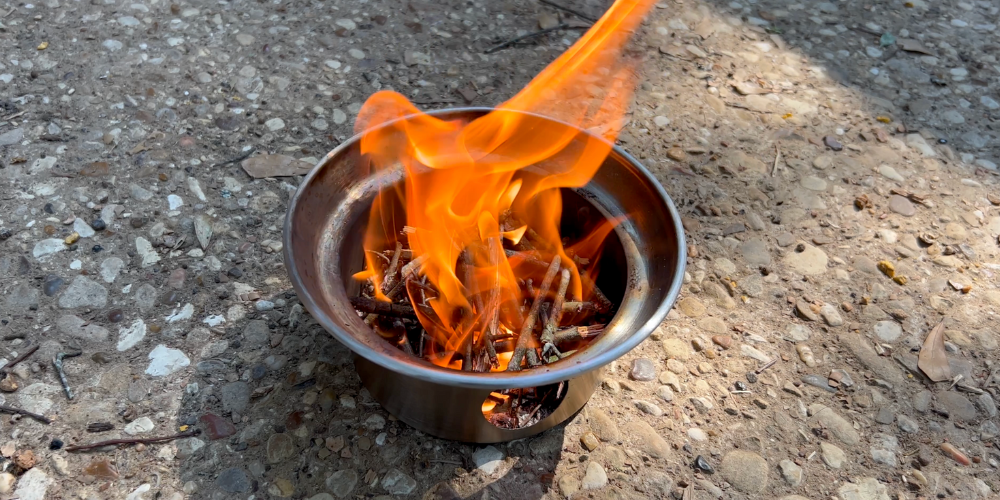
- Kelly Kettle: Burns twigs, pinecones, or grass to boil water quickly, without the need for man-made fuels. Not ideal for large meals. Rocket stoves are better for cooking.
- Solar Oven: You can make one yourself using cardboard and aluminum foil or buy a pre-made commercial version. These can bake bread, cook casseroles, and pasteurize water. However, they do have a learning curve and only work in sunny conditions.
- Cast Iron Cookware: Can be used on almost any heat source, including campfires, wood stoves, and propane grills. Lodge is a good choice for modern production stuff, while vintage models from garage sales and flea markets are still good.
- Manual Grain Mill: Grind wheat, corn, or other grains for baking bread from scratch. You get what you pay for here. Larger, more expensive models process more grain and can handle harder grains, such as corn.
- Hand-Crank Egg Beater/Whisk: Makes mixing/whipping easy when you don’t have electricity.
Water Collection & Purification: Safe Water When the Grid Fails
- Personal Water Filters: Options such as the Sawyer Mini and Lifestraw are compact and lightweight. Great for solo use, but not well-suited for families or groups.
- Gravity Water Filters: Sawyer Gravity Bag and countertop filters are all decent options and don’t require power. However, be sure to boil your water if viruses could be present.
- Water Purification Tablets: Quickly disinfect water on the go and are usually iodine or chlorine-based. These may leave a taste.
- Manual Siphon & Hand Pumps: Transfers water from barrels, drums, or wells—purely mechanical. Pitcher pumps are a great backup for wells
- Rainwater Collection Items: Tarps, sheeting, buckets, or totes. Always purify before drinking.
Tools & Hardware: What You’ll Need to Build and Repair
- Basic Hand Tools: Hammers, screwdrivers, pliers, wrenches, and saws. Buy quality brands.
- Manual Drills (Eggbeater, Brace & Bit): For building without electricity.
- Files: Sharpen blades, smooth wood/metal.
- Axes, Hatchets, Shovels, Spades: Can help process firewood, dig latrines, or clear debris.
- Gardening Tools, Scythe/Sickle, Machetes: Useful for growing and harvesting food and clearing brush.
- Survival Knives & Multitools: My favorite fixed-blade survival knives are made by Ka-Bar Becker. The BK-7 is good for general survival use, while the BK-16 is better for precision work and food preparation. Victorinox and Leatherman make good multitools.
- Sharpening Stones: I use the Spyderco Sharpmaker to keep my blades nice and sharp.
- Fasteners, Duct Tape, Paracord, Sillcock Key: Can be used to make repairs and improvise solutions. Sillcock keys can help you get water from commercial spigots.
Transportation: How to Get Around After an EMP
- Bicycles: Don’t have any electronics and can be maintained with an air pump, patch kit, extra tubes, and a toolkit. Adding a trailer will allow you to haul more supplies.
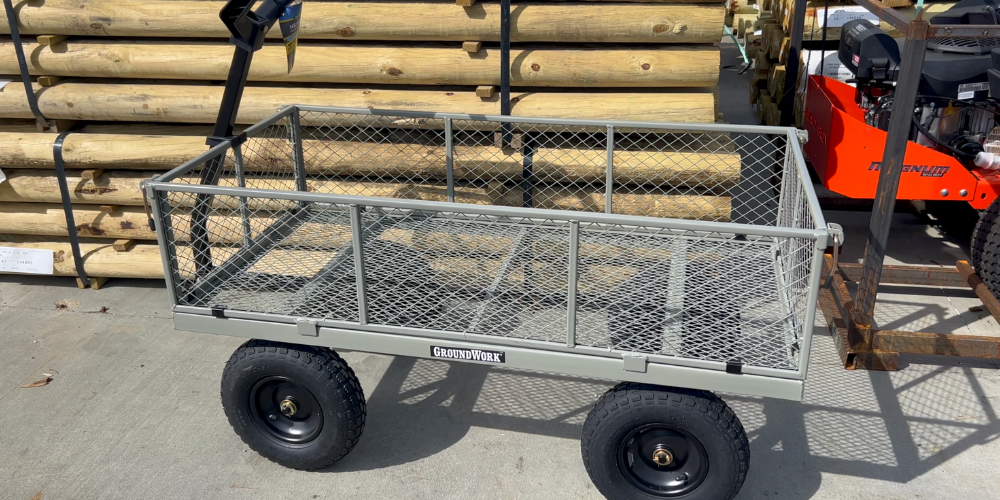
- Utility Carts & Wheelbarrows: Work well for hauling water, firewood, and other supplies.
- Pre-1980s Vehicles: These use a carburetor instead of electronic fuel injection and don’t have computers. Gas may be tough to get, so be sure to store it safely and rotate your stockpile regularly.
Hunting, Fishing & Food Procurement
- Fishing Rods, Reels & Tackle: Have basic hooks, line, and sinkers in a tackle box. Then, trotlines/yo-yos (if legal) and gill nets can be used for passive fishing.
- Small Game Traps & Snares: Can be store-bought or homemade. Mouse/rat traps also work well as alarms.
- Archery Gear: Simple recurves/longbows will need less maintenance than compound bows and crossbows. Have extra arrows, strings, and vanes.
- Firearms & Ammo: Be sure to have plenty of cleaning supplies and spare parts. Also, have ample training.
Communications & Signaling: Stay in Touch Without Electronics
- Whistles: Work well for emergency signalling. Three blasts mean distress.
- Signal Mirrors: Reflect sunlight to get attention. Use a real signal mirror with an aiming hole and practice using it.
- Air Horns: Loud and attention-grabbing, but they are useless after their air runs out.
- Flares: Night signaling, wet weather, or starting fires in a pinch.
- Pen, Pencil, Notepads, Markers, Paper: Leave messages, post warnings, and organize activities.
Medical: First Aid Supplies That Still Work After an EMP
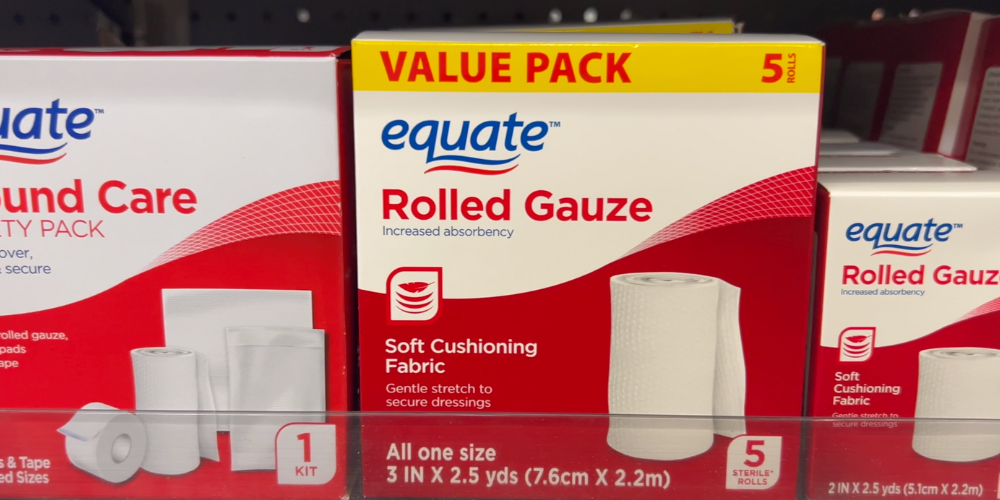
- First Aid Kit (Build Your Own): Include bandages, gauze, tape, antiseptics, gloves, trauma shears, tweezers, CPR mask.
- Over-the-Counter Medications: Common examples are ibuprofen, acetaminophen, aspirin, allergy meds, antacids, and stomach remedies. Stockpile any that you or family members use regularly.
- Prescription Medications: Ask your doctor or use Jase Medical for emergency supplies. At the very least, refill prescriptions as soon as possible.
- Non-Digital Thermometer: Glass or alcohol-based for accuracy without batteries.
- Manual Blood Pressure Cuff & Stethoscope: Learn how to use ahead of time.
- Wound Care & Advanced First Aid: Hydrogen peroxide, iodine, soap, Israeli bandages, tourniquets, hemostatic gauze.
- Dental Kits: Temporary filling/cement kits buy you time.
Hygiene & Sanitation: How to Stay Clean When the Grid Is Down
- Manual Laundry Tools: These can include something simple, like some buckets and a laundry plunger, or larger setups with a washboard, basins, and a manual wringer.
- Clothesline & Clothespins: The original “energy-efficient” dryer. Paracord can be used as a substitute for a dedicated clothesline.
- Emergency Toilets: Use a camping toilet or a 5-gallon bucket with a snap-on toilet seat lid lined with a heavy-duty contractor bag. Sprinkle sawdust, kitty litter, or wood ash to reduce odors
- Hygiene Supplies: Have plenty of soap, toothbrushes, toothpaste, floss, razors, feminine hygiene products, nail clippers, toilet paper, baby wipes, and hand sanitizer.
- Cleaning Supplies: These can include sanitizing wipes, plain disinfecting bleach, vinegar, and baking soda.
- Trash Disposal: Heavy-duty contractor bags work best. Also, have a plan for safe disposal.
Other Survival Essentials
- Books: Your library should include how-to guides, repair manuals, gardening, first aid, and fiction for downtime.
- Compass & Maps: Have local and state maps. Detailed topographical maps are available for free from usgs.gov.
- Mechanical Watches & Clocks: Mechanical wind-up models will still work when digital versions fail.
- Board Games & Cards: These are essential for mental health and family bonding.
- Musical Instruments & Supplies: Guitars, harmonicas, strings, sheet music.
Protected Items: What to Store in a Faraday Cage
- LED Flashlights & Headlamps: Include batteries and charging cables.
- Solar Generators & Power Banks: Can be used to recharge small electronics after an EMP.
- Emergency & Weather Radios: Use to gather information from official channels after radio service is restored.
- Walkie-Talkies (FRS/GMRS): Essential for short-range communications between group members.
- Older Laptops or Thumb Drives: Use to store important files and documents. These can include maps, reference materials, pictures, and insurance documents.
Want to learn how to build a Faraday cage? Watch my DIY video here.
Final Thoughts & Resources
An EMP could force us to live like our great-grandparents overnight—but with the right supplies, you can keep your family safe, comfortable, and even entertained.
Want more practical prepping tips?
» Urban Survival Gear: Tools that Can Save Your Life
» Survival Foods that Will Last Forever
Thanks for stopping by. Stay safe, stay prepared—and y’all have a good one.
